Intimate concerns
Vaginal dryness
A healthy vagina is covered by a fine film of moisture. When too little moisture is produced, the intimate area can feel dry, tight, or sore.

How to recognise vaginal dryness
A typical sign is a feeling of dryness or tightness that can become noticeable when walking, sitting, or cycling. Itching and burning are also frequently present.
Many women find intercourse uncomfortable or painful. The skin is more sensitive and reacts more quickly to friction.
Possible causes
The most important factor is the hormone oestrogen. It ensures that the mucous membrane stays well supplied with blood, elastic, and moist. When oestrogen levels fall – during menopause, after childbirth, during breastfeeding, or with hormonal contraception – less moisture is often produced.
Stress, smoking, certain medications (for example, anti-hormone therapies, antidepressants, or antihistamines), chemotherapy and radiation therapy, as well as excessive intimate hygiene, can also play a role.
What you can do yourself
Clean the external intimate area with water only, or with a mild, pH-balanced cleansing lotion – soap, vaginal douches, and fragranced products can dry the area out further.
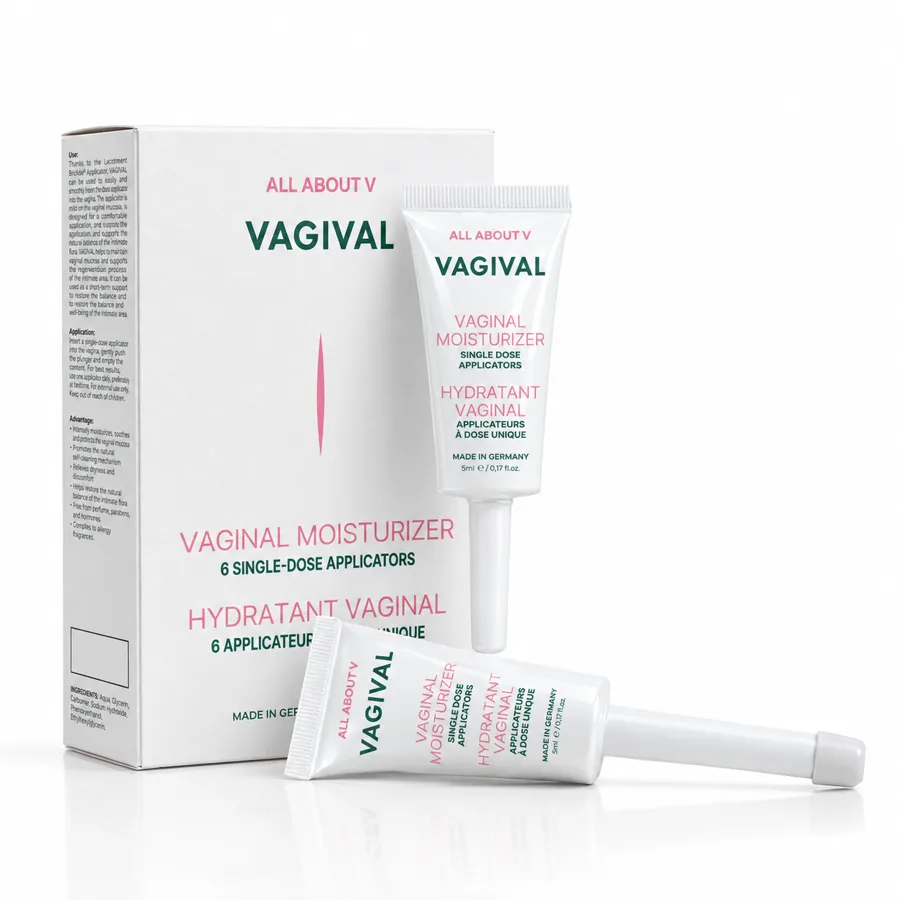
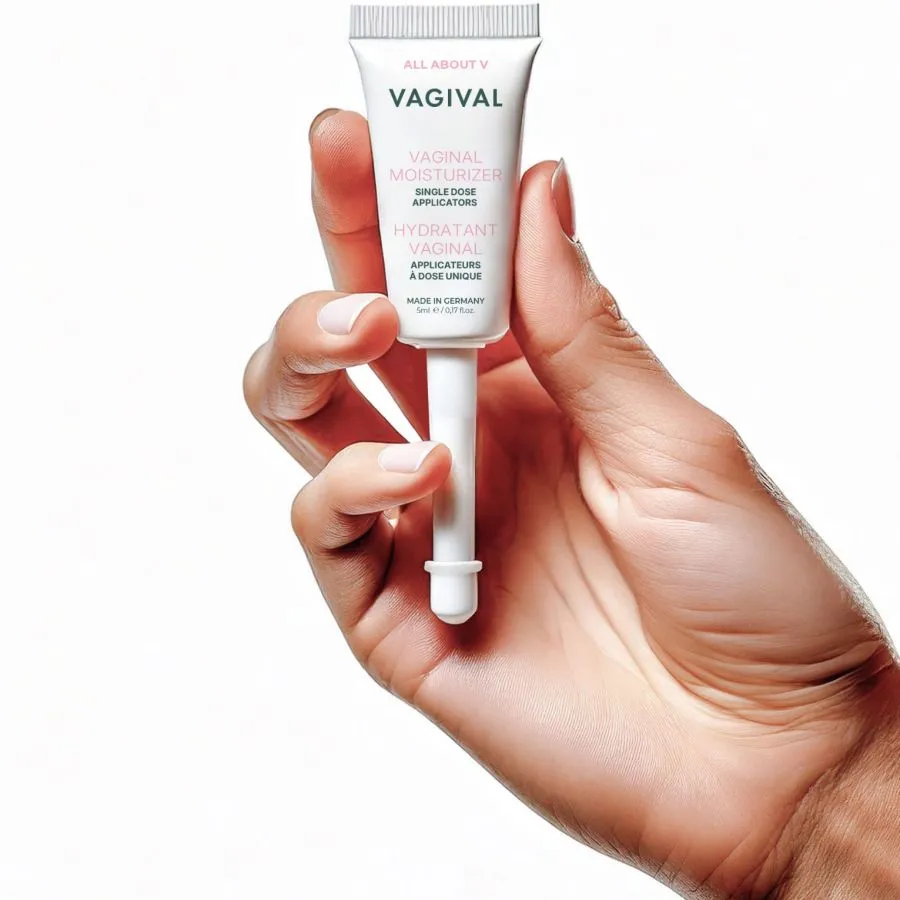
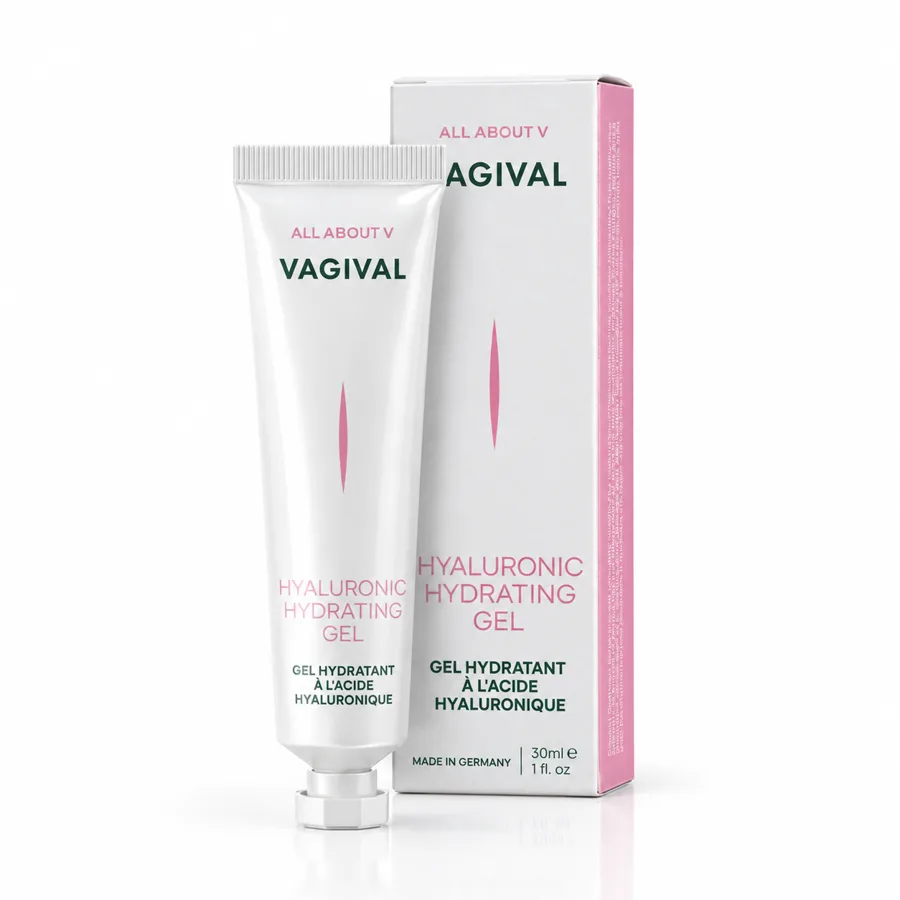
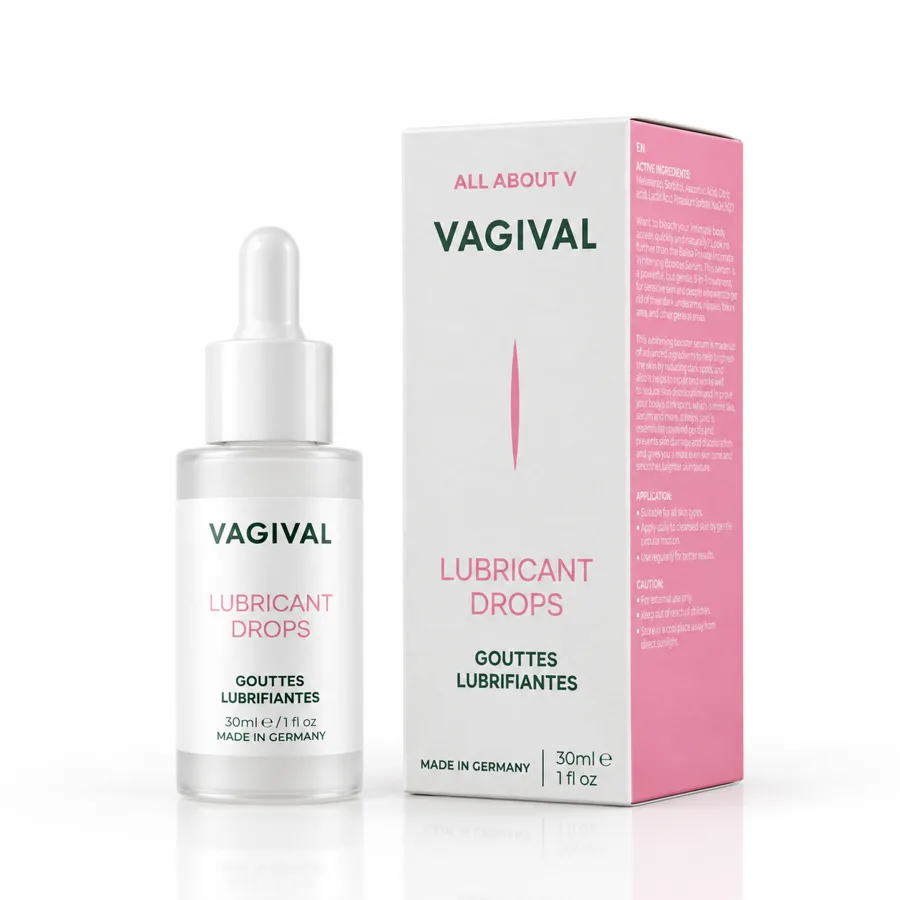
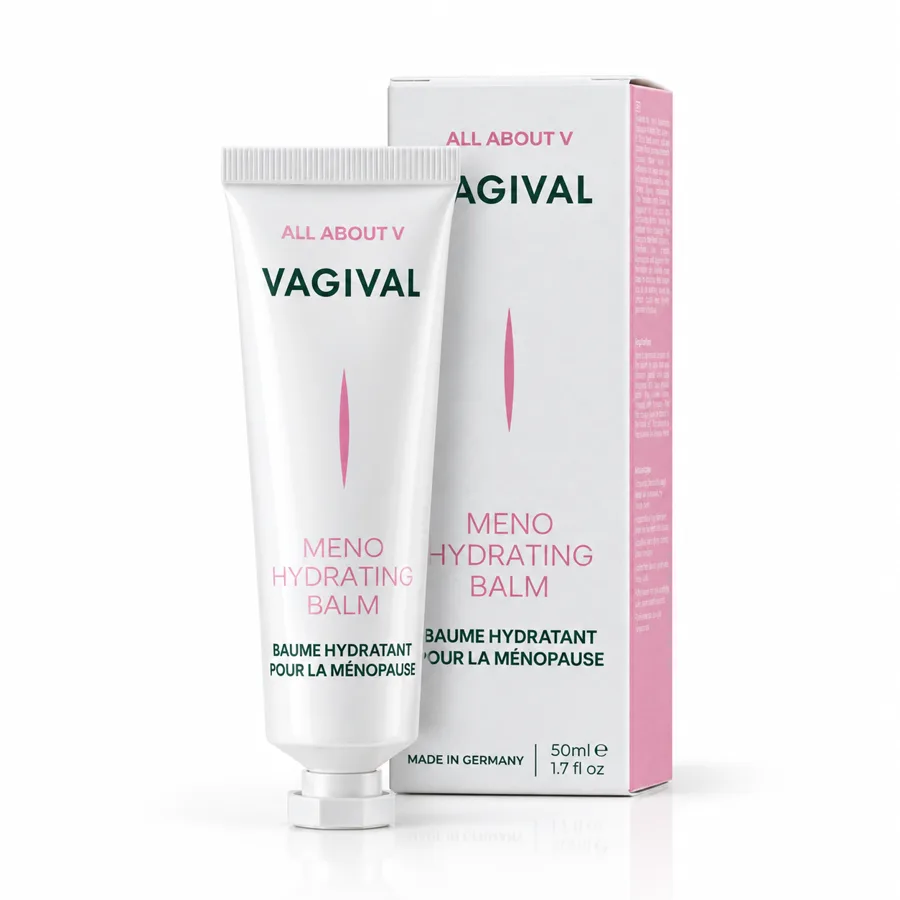
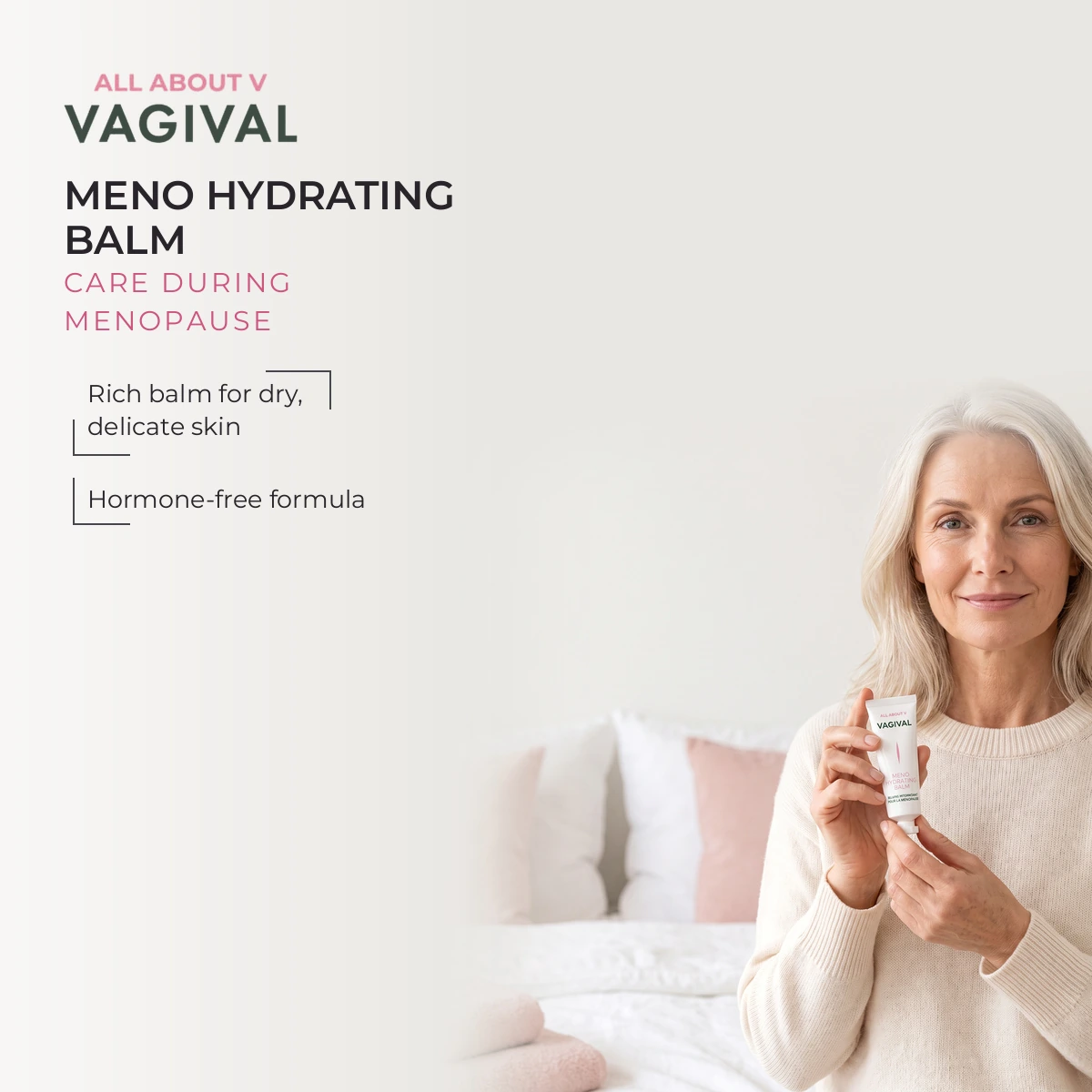
Moisturising care for the intimate area can help balance dryness in everyday life. For intimate moments, lubricants developed specifically for sensitive mucous membranes are well suited.
Comfortable cotton underwear, drinking enough fluids, and taking time for closeness and arousal also contribute to wellbeing.
This information is not a substitute for medical advice. If you experience persistent or recurring symptoms, please consult your gynaecologist.