Intimate concerns
Imbalances in the vaginal flora
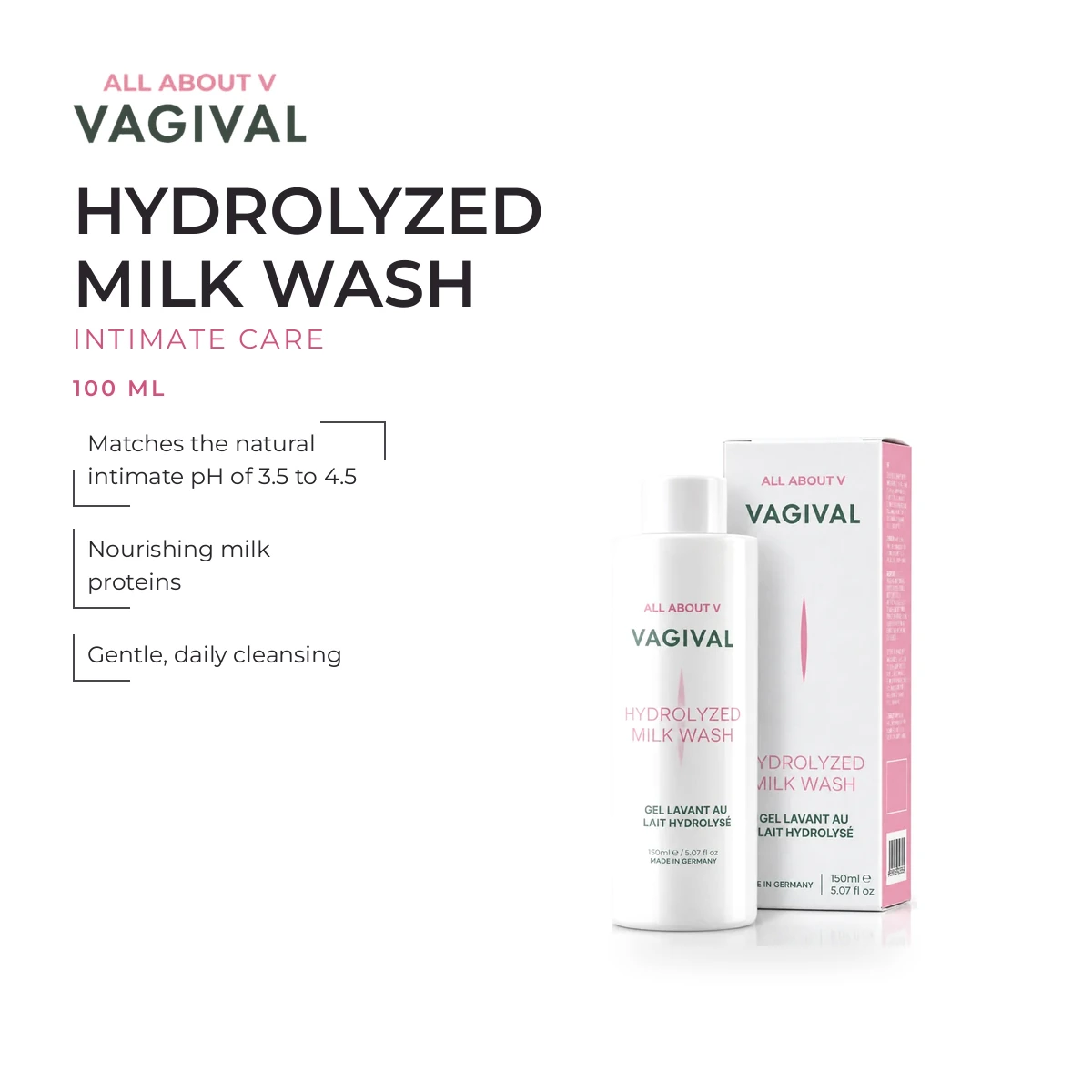
In a healthy vagina, lactic acid bacteria (lactobacilli) predominate. They produce lactic acid and keep the pH in the mildly acidic range of about 3.8 to 4.5 – a natural protection against unwanted microorganisms.

What disrupts the vaginal flora
Hormonal changes (menstruation, pregnancy, menopause, the pill), antibiotics, stress, a weakened immune system, diabetes, frequent changes of partner, or excessive intimate hygiene can weaken the lactobacilli.
Menstrual blood and semen are also less acidic and can temporarily raise the pH level.
Vaginal thrush
During a yeast infection, fungi – usually Candida albicans – multiply excessively. Typical signs are intense itching, redness, and burning, along with a whitish, crumbly, usually odourless discharge.
Have a first-time yeast infection and recurring complaints assessed by a doctor. Treatment is carried out with medicinal products.
Bacterial vaginosis
In bacterial vaginosis, the lactobacilli are displaced by other bacteria, often Gardnerella vaginalis. A characteristic sign is a thin, grey-white discharge with a fishy odour – itching is often absent.
Bacterial vaginosis should be treated by a doctor, especially during pregnancy. It often recurs: in one study, 58 % of treated women experienced bacterial vaginosis again within twelve months.
What you can do yourself
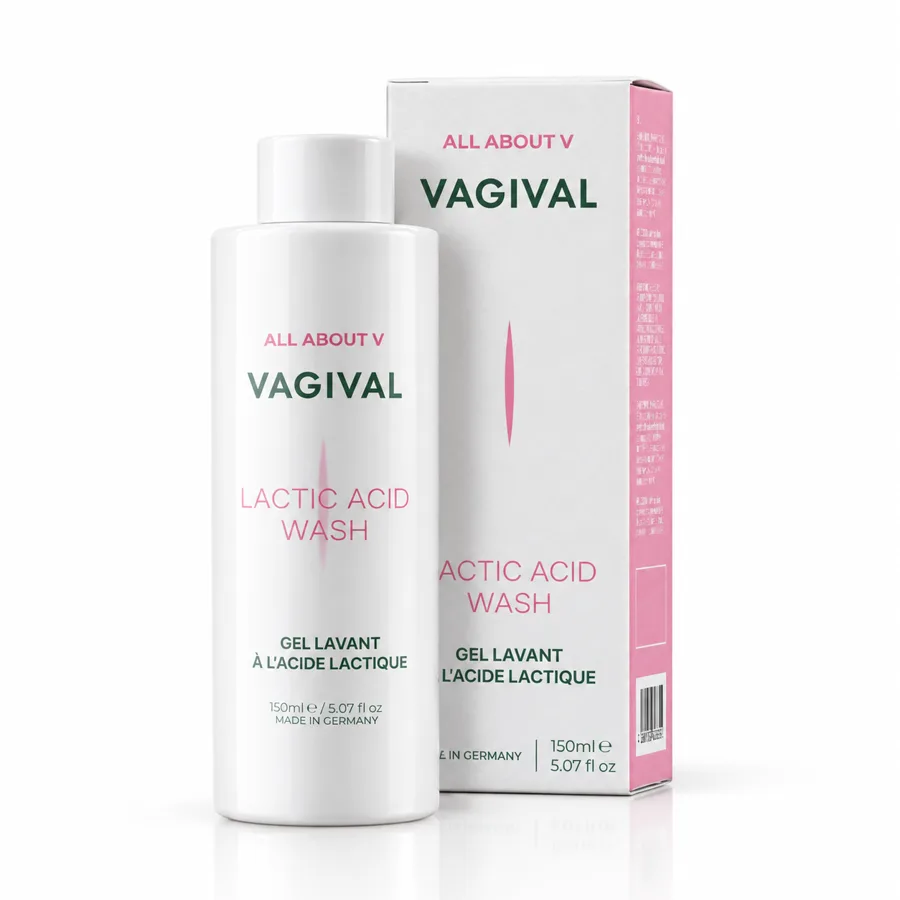
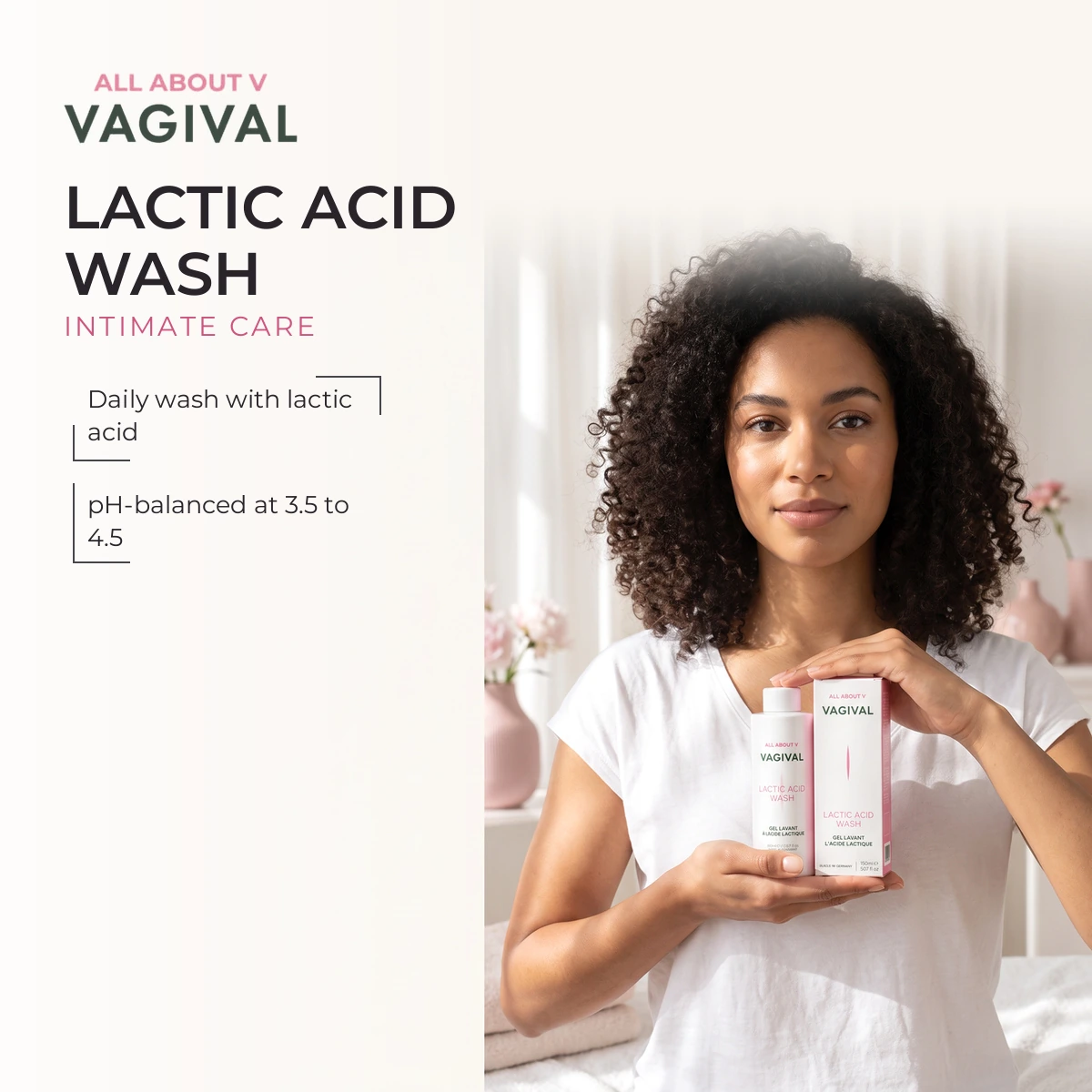
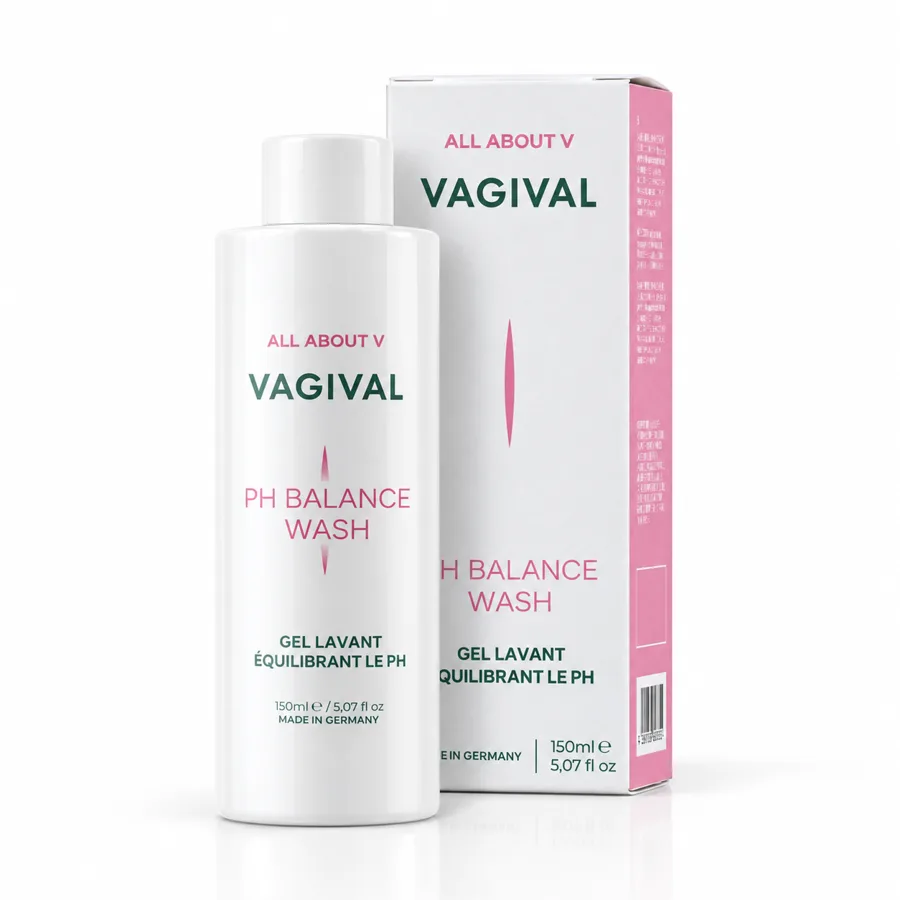
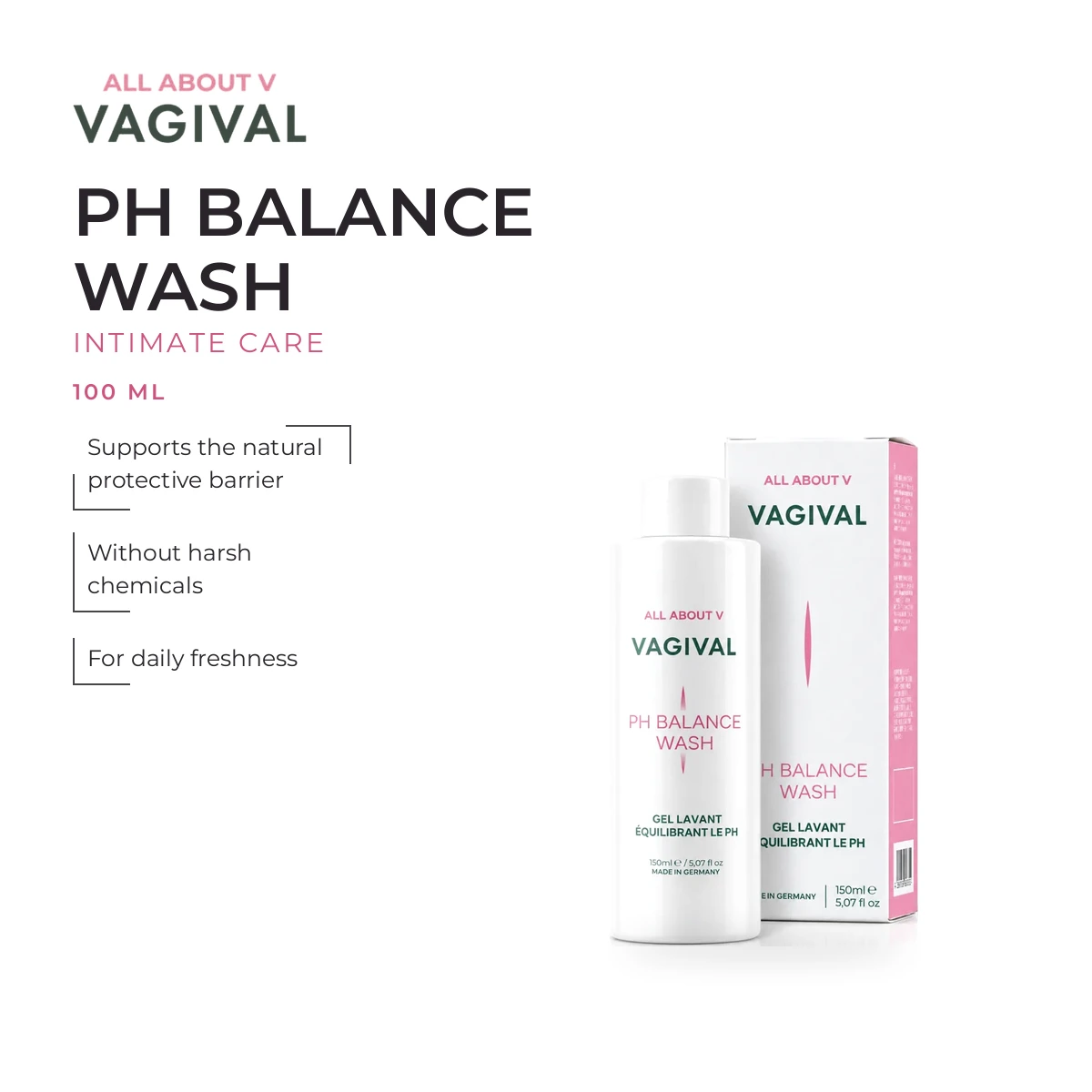
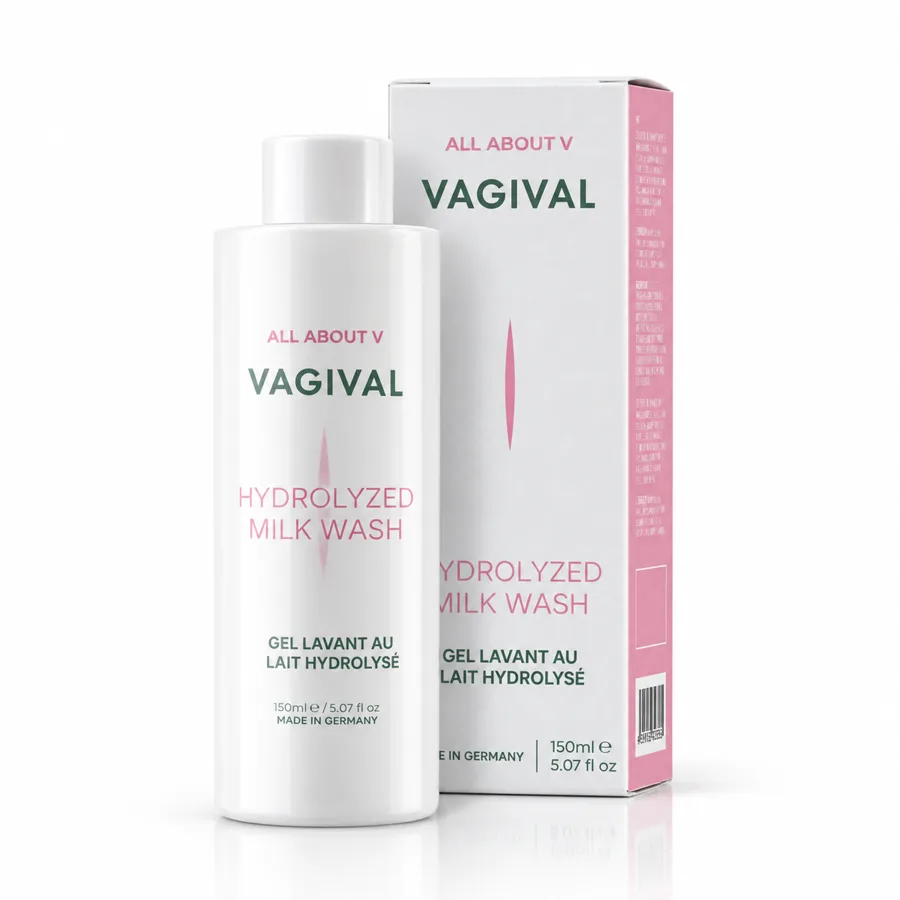
Wash the external intimate area once a day with water or a mild cleansing lotion with a slightly acidic pH. Avoid vaginal douches and intimate deodorants internally.
After using the toilet, wipe from front to back, change pads and tampons regularly, and wear breathable underwear.
Source: Bradshaw et al., J Infect Dis 2006 (PubMed)
This information is not a substitute for medical advice. If you experience persistent or recurring symptoms, please consult your gynaecologist.