Intimate concerns
Outer intimate area
The skin in the outer intimate area is thinner and more sensitive than on other parts of the body. A protective film of the skin's own lipids and moisture – the hydrolipid film, also known as the acid mantle – keeps it supple and resilient.
How irritations develop
Friction from tight clothing or exercise, moisture from panty liners and sanitary pads, shaving and hair removal, frequent washing with soap, perfumed products or incontinence can disrupt the hydrolipid film.
The result: the skin loses moisture, reacts with redness, itching, burning or a sore feeling, and becomes more susceptible to irritation.
Maintaining the natural protective barrier
Gently cleanse the outer intimate area with water or a mild, pH-balanced wash lotion, then carefully pat the skin dry.
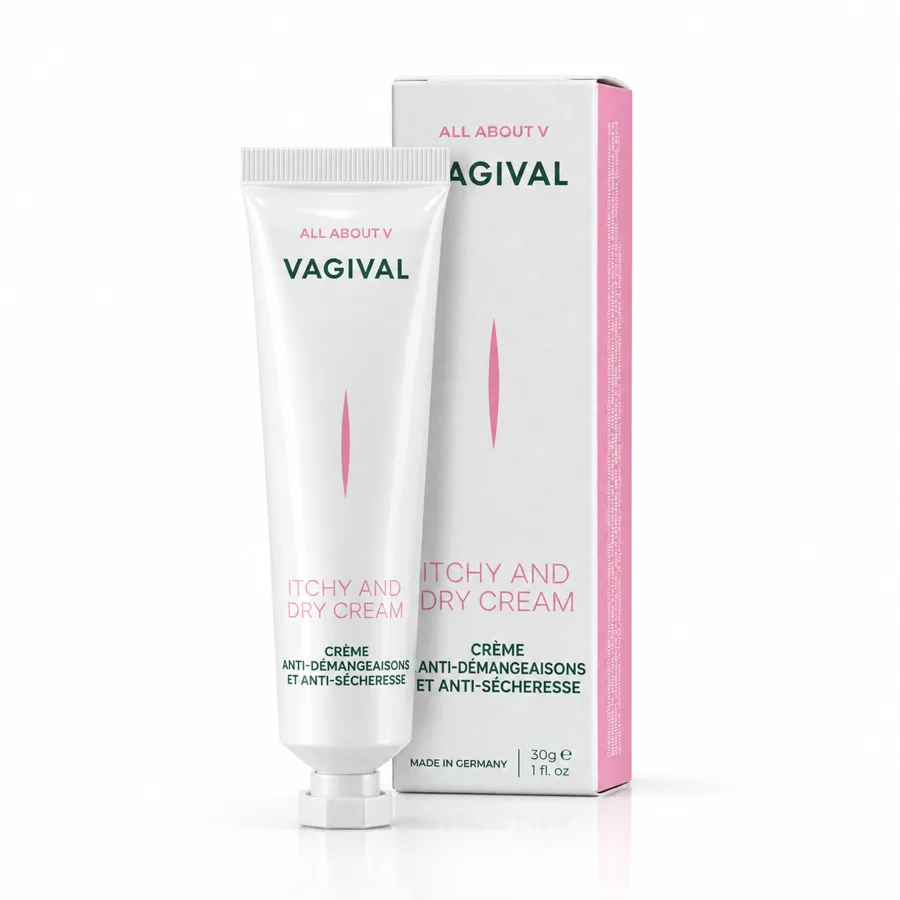
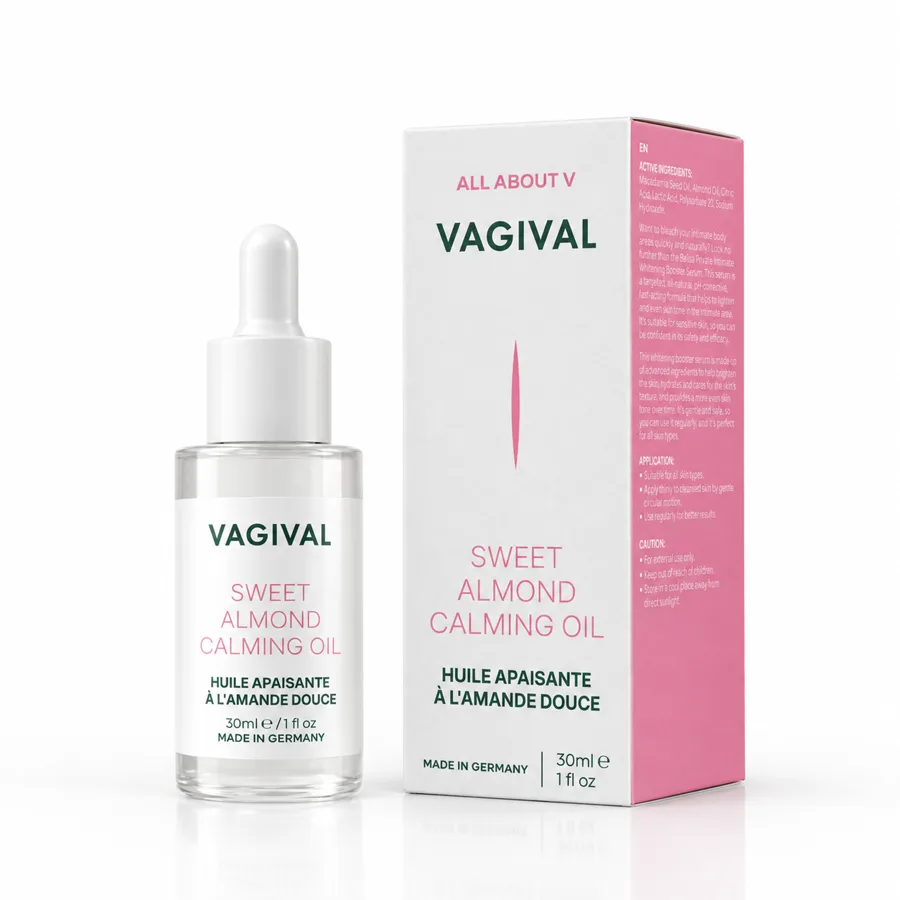
A nourishing, protective cream or oil can additionally shield the skin from moisture and friction - for example before exercise, during your period, or after shaving.
Shave in the direction of hair growth using a sharp, clean blade and a shaving balm. Follow up with a soothing product to care for the skin.
When to take a closer look
White, shiny, or thin patches of skin, intense nocturnal itching, small tears, blisters, or lumps should be examined by a doctor. These may indicate skin conditions such as lichen sclerosus.
This information is not a substitute for medical advice. If you experience persistent or recurring symptoms, please consult your gynaecologist.